What this stretch is
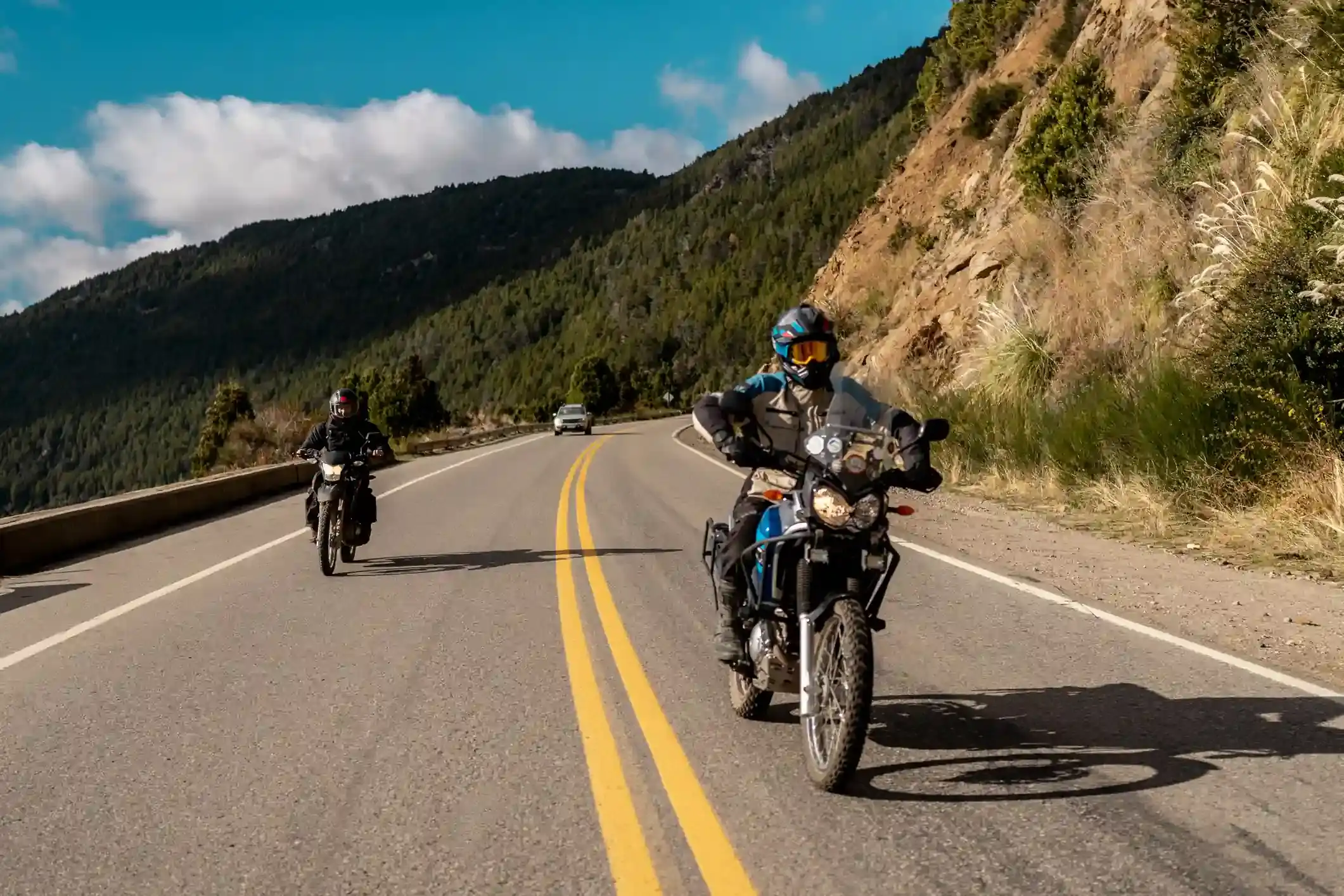
From Villa La Angostura, Ruta 40 leaves the forest and follows the north shore of the Nahuel Huapi east, then south, with the lake on the right the whole way. The trees thin out, the steppe starts to show between them, and by the time the road crosses the Limay river where it leaves the lake, at Dina Huapi, you are in the dry Patagonia that the Ruta 40 south days are made of. From Dina Huapi it is 16 km of suburb into Bariloche.
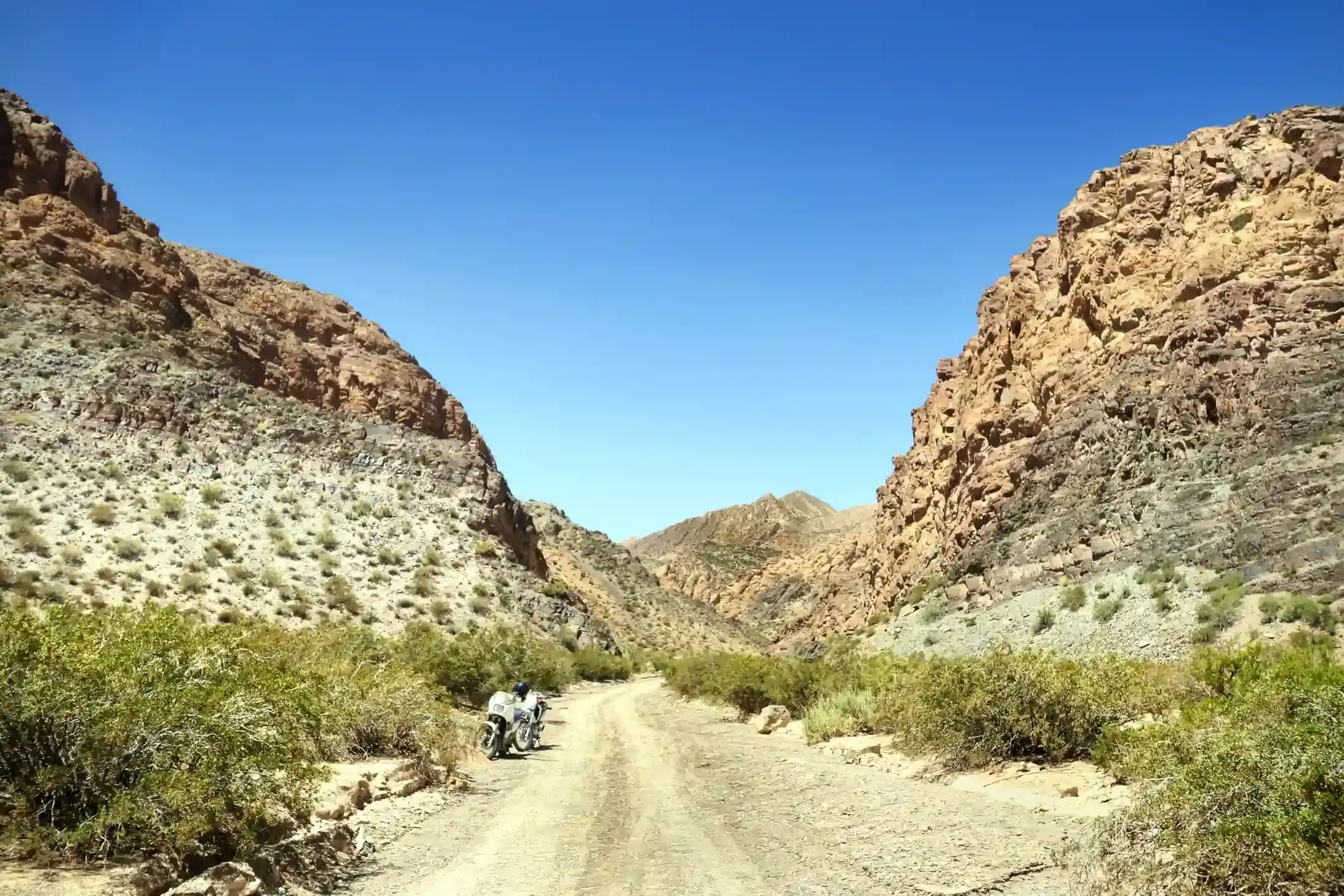
It is 83 km and all pavement: OpenStreetMap tags 70 km as paved, 5 km as gravel or dirt on side roads, and 7 km untagged. The road is fast and the views are wide; the thing to respect is the wind.
Fuel: a 67 km gap, then plenty
Fourteen stations, but twelve of them are in Dina Huapi and Bariloche at the end. From the YPF and ACA in Villa La Angostura to the Axion and Puma in Dina Huapi at kilometre 67 there is nothing. Any bike covers that; the fuel range calculator marks the segment as comfortable throughout. Bariloche has fuel on every main avenue and two 24-hour stations, so this is the place to arrive empty and fill for the Tronador day.
The wind
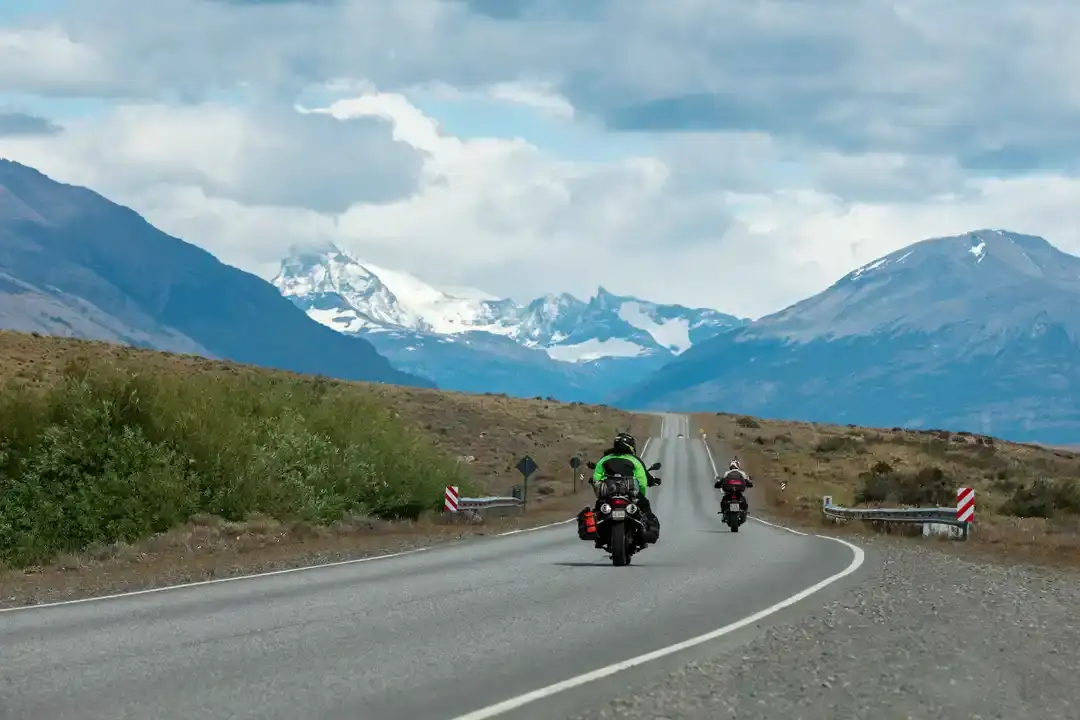
By the numbers this is the windiest of the seven Andes Crossing segments: 12 days a month with gusts over 60 km/h in January and 14 in December, with an average daily maximum of 24 km/h. The exposed stretch is the eastern shore between the last forest and Dina Huapi, where the wind comes down the lake from the west and hits the road side-on. It is nothing like the Ruta 40 south numbers, where the same count reaches 20, but after four days in the shelter of the forest it feels like a lot. Ride it before lunch; the afternoon is worse.
The rest of the climate is the lakes’: January highs of 21 °C, four rainy days in summer, snow from May to September with eight snow days in July around the midpoint. The rideable window on the numbers runs from November to March.
Stops and detours worth the time
Bosque de Arrayanes. From Villa La Angostura, the Quetrihué peninsula and its forest of cinnamon-barked arrayán trees are a boat trip or a 12 km walk from the port; a half day before leaving town.
Puerto Manzano and the lakeside viewpoints. The first 20 km east of Villa La Angostura have the best lake-and-mountain views of the day, with the Cerro Bayo above.
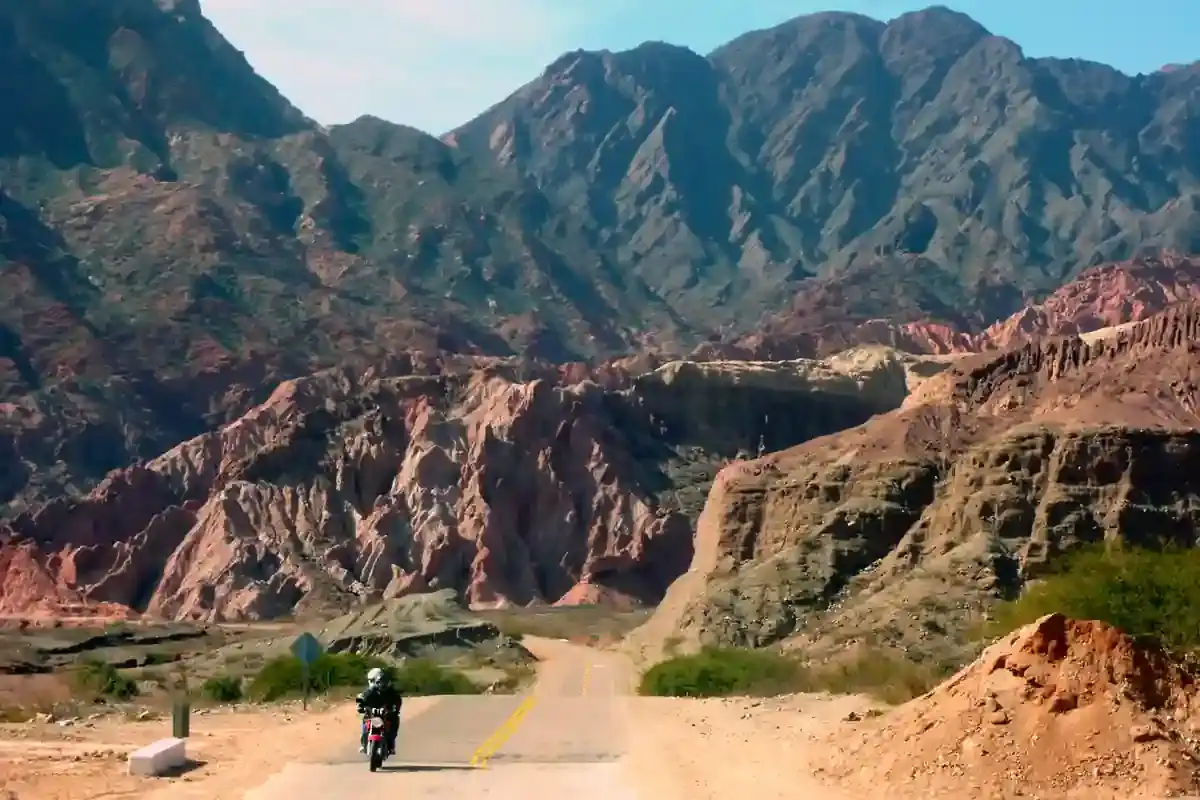
The Limay. The river leaves the Nahuel Huapi under the bridge at Dina Huapi and runs north-east through the Valle Encantado, a canyon of rock towers on Ruta 237 that is a worthwhile 40 km detour toward Confluencia if you are not in a hurry.
Bariloche’s Circuito Chico. Once in town, the 60 km loop west of Bariloche past Llao Llao, Punto Panorámico and the Colonia Suiza is the classic afternoon ride, and our itinerary leaves the afternoon free for it.
Where to sleep
Villa La Angostura and Bariloche both have everything. Bariloche is the biggest town on the tour, with hundreds of hotels, mechanics, tyre shops and the airport, so it is where the Andes Crossing rests for a day before Tronador, and where it ends.
Riding it with us
This is the short day into Bariloche on our Andes Crossing, with the afternoon free. Read our tips for navigating the Andes for the wind, and the Argentina versus Chile climate guide for why this side is drier than the one you crossed from.