What this stretch is
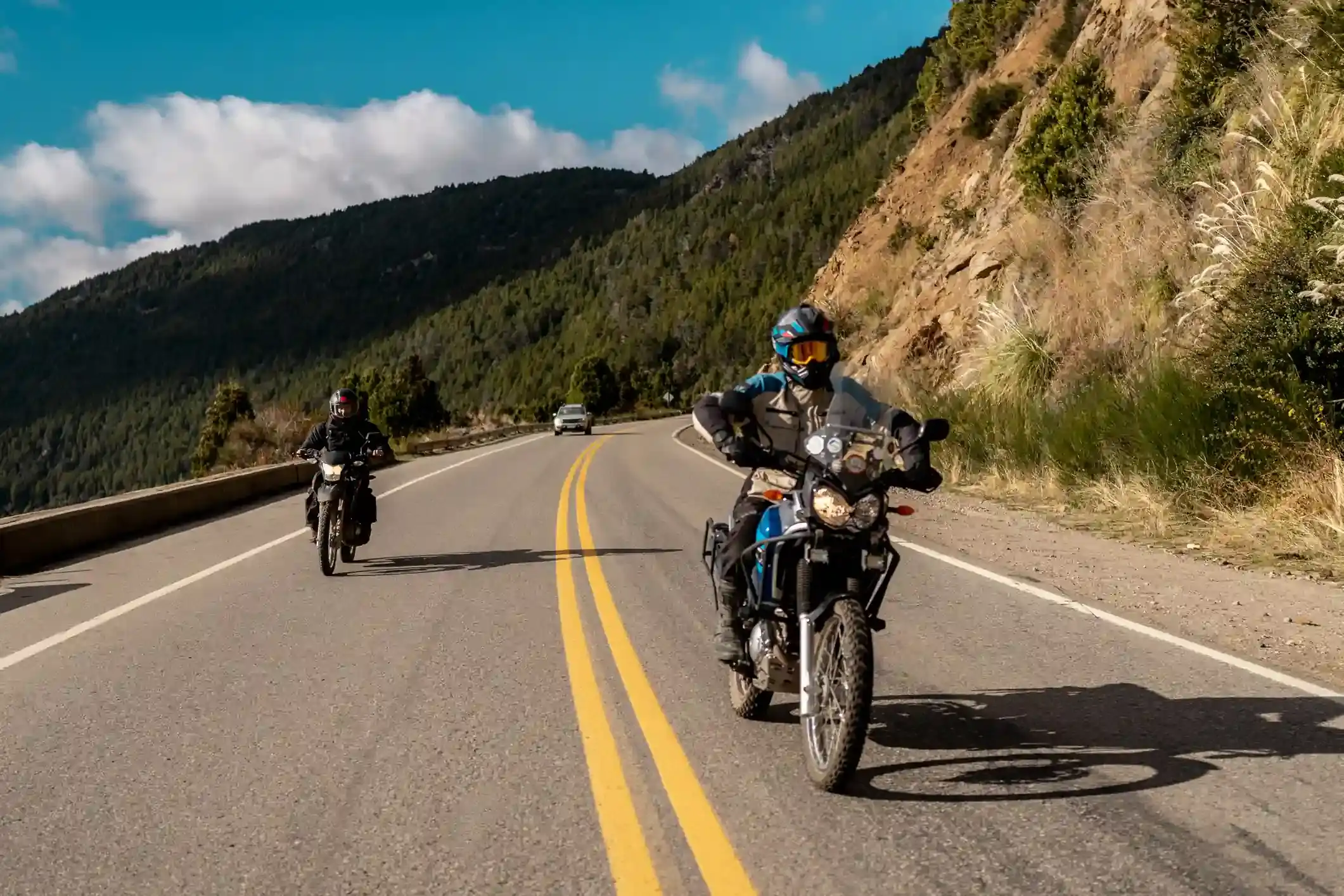
Osorno is where the Andes Crossing begins, because that is where the Chilean motorcycles live. The first day is short on purpose: 81 km from the city to the village of Lago Ranco on the south shore of the lake of the same name, through the dairy country of the Los Ríos region. Ruta 5, the Pan-American, carries you north for 23 km; then the road turns east at Río Bueno and narrows to two lanes between fields, poplars and volcano views until the lake appears.
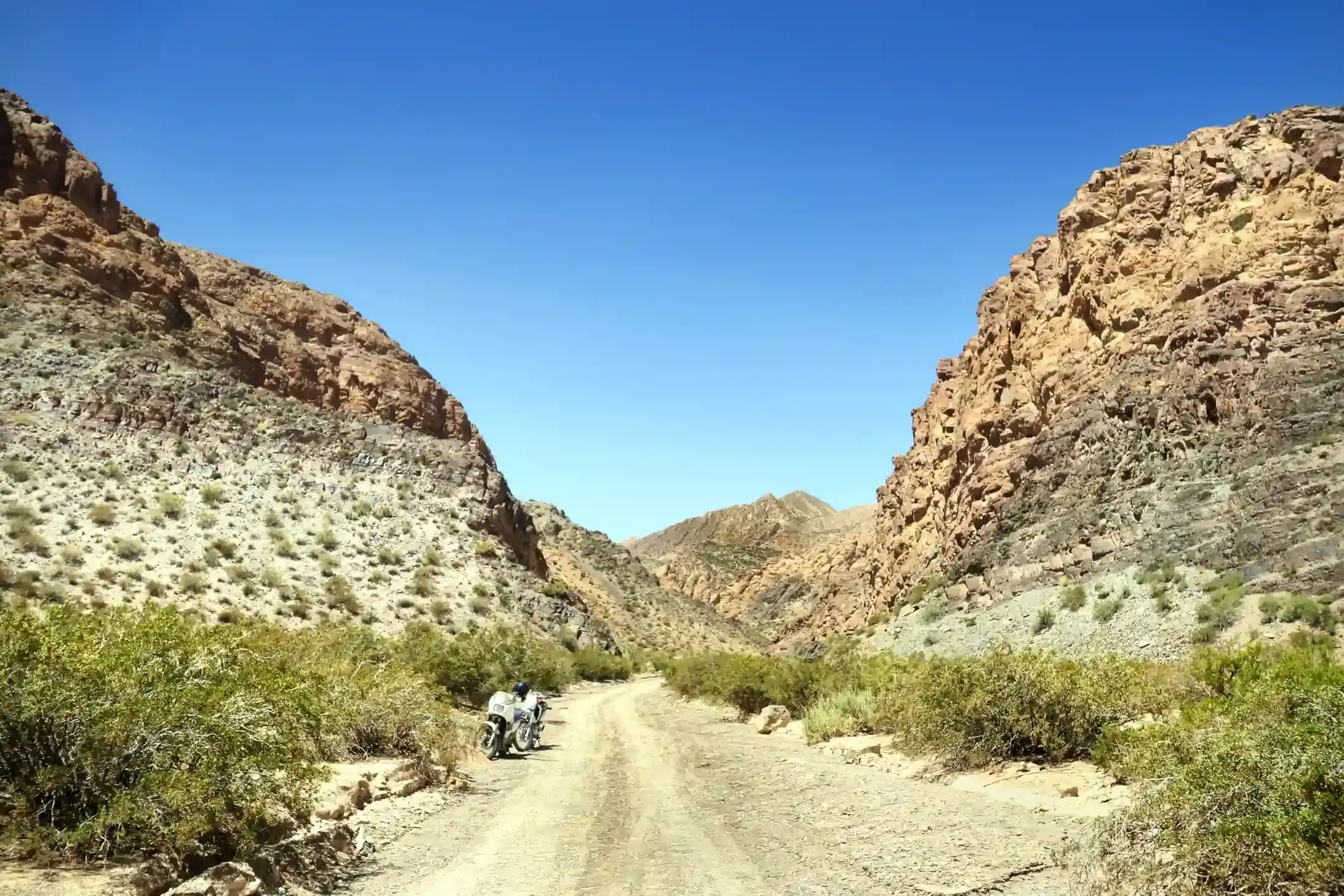
OpenStreetMap tags 61 of the 81 km as paved and 14 km as gravel or dirt, most of it on the lakeshore roads around the village. The asphalt is Chilean-standard, which means good. The hazards are farm traffic, slow trucks on Ruta 5, and the first gravel of the trip on a bike you picked up yesterday.
Fuel: everywhere, then 44 km
This is the easiest fuel day of the tour. Twenty-five stations within 1.5 km of the road, nineteen of them in and around Osorno and three in Río Bueno at kilometre 36. From Río Bueno to Lago Ranco there is nothing for 44 km, which matters only if you left Osorno without filling. Chilean stations are Copec, Shell and Aramco, take cards everywhere, and sell 93, 95 and 97 octane; use 95 or better on a modern adventure bike.
Fuel in Chile costs more than in Argentina. That is not a reason to arrive at the border on fumes: fill in Osorno, fill again in Río Bueno if you like, and the fuel range calculator will tell you the day is comfortable on any tank.
The weather
The Chilean side of the Andes is the wet side. At the midpoint of this segment the average summer high is 23 °C in January with five or six rainy days a month; by April it rains 13 days a month and in July 16, with a daily high of 10 °C. Wind is not a factor: the reanalysis counts less than one day a month with gusts over 60 km/h all summer. Pack a proper waterproof layer for the whole tour regardless of the month, because the next three days are wetter than this one.
Stops and detours worth the time
Río Bueno. The last town before the lake, at kilometre 36, with the old Fuerte San José fort above the river. A coffee stop, nothing more.
The Lago Ranco loop. A road circles the whole lake through Futrono and Llifén on the north shore and Riñinahue on the south, about 120 km with gravel sections and the Saltos del Nilahue waterfalls on the east side. It is the natural half-day extension if you arrive early and want to settle into the bike.
The volcanoes. On a clear day the cones of Puyehue and Osorno sit on the eastern horizon the whole way. The Osorno volcano, the perfect one, is south of the route above Lago Llanquihue, an hour from the city.
Where to sleep
Osorno has business hotels near Ruta 5 and is where the bikes are collected the day before. Lago Ranco village has cabins, lakeside lodges and a campsite, and is quiet outside February. Futrono, on the north shore, has more choice if the loop takes you that way.
Riding it with us
This is day one on the bikes of our Andes Crossing from Osorno: a gentle start so that the paperwork, the luggage and the gravel are all sorted before the Hua Hum crossing. Read the Argentina and Chile documentation guide before you arrive, and use the border crossing checklist to see exactly which papers a Chilean rental bike needs for the crossing two days later.